
Repair & reset
If just one paver section has dropped, we check the base, water path and edging. Sound units can often be lifted and relaid. Keep a spare paver handy for color matching.
Replace a worn driveway, reset settled pavers or create a new entrance with room for gates, parking and drainage.
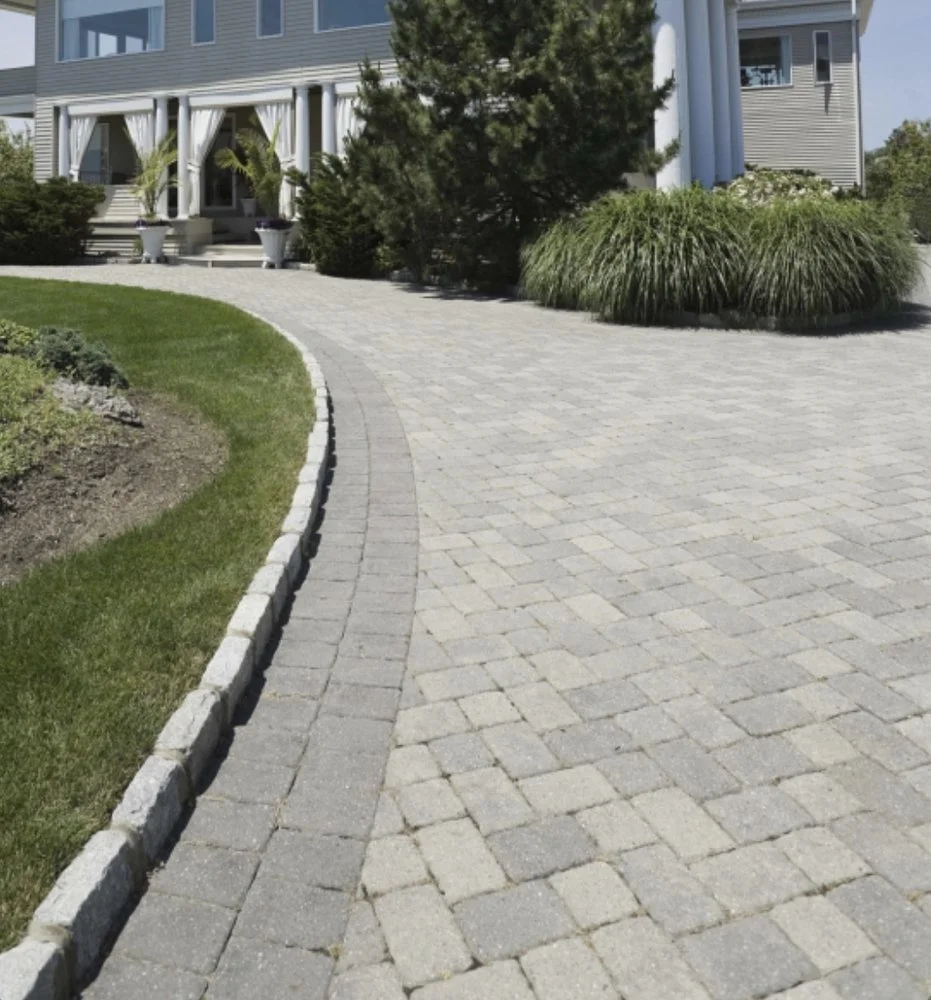
A low spot near the garage, a crumbling edge and a new parking bay each call for a different scope.
Interlocking concrete pavers offer a choice of pattern, border and replacement units. If you have an asphalt or poured-concrete drive, show us cracking, settled slabs or worn edges so we can discuss removal, transitions and the replacement options available for the site. A permeable paver system needs a suitable base and drainage design.
We mark the limits of the driveway with you. Show us the vehicles that need to fit, the turning approach, where bins are stored and whether you want space for a future gate. Bring a survey if the footprint is changing.
We check door thresholds, garage height and the route rain takes through the yard. We identify the road authority before any change to the curb cut, sidewalk or public apron.
We agree on the limits of the old driveway or lawn to take out, protect the areas that will stay and list removal and cart-away in the estimate. Reusable pavers can be set aside for a repair.
After excavation we evaluate the exposed base, address soft areas and establish the planned pitch. For pavers, the scope specifies the base, bedding, paver selected for vehicle use, edge restraint and jointing material.
We review transitions to the garage, paths and lawn, check the gate opening and agree on when vehicles can return. The final walk covers clean-up, drainage and maintenance of the chosen surface.
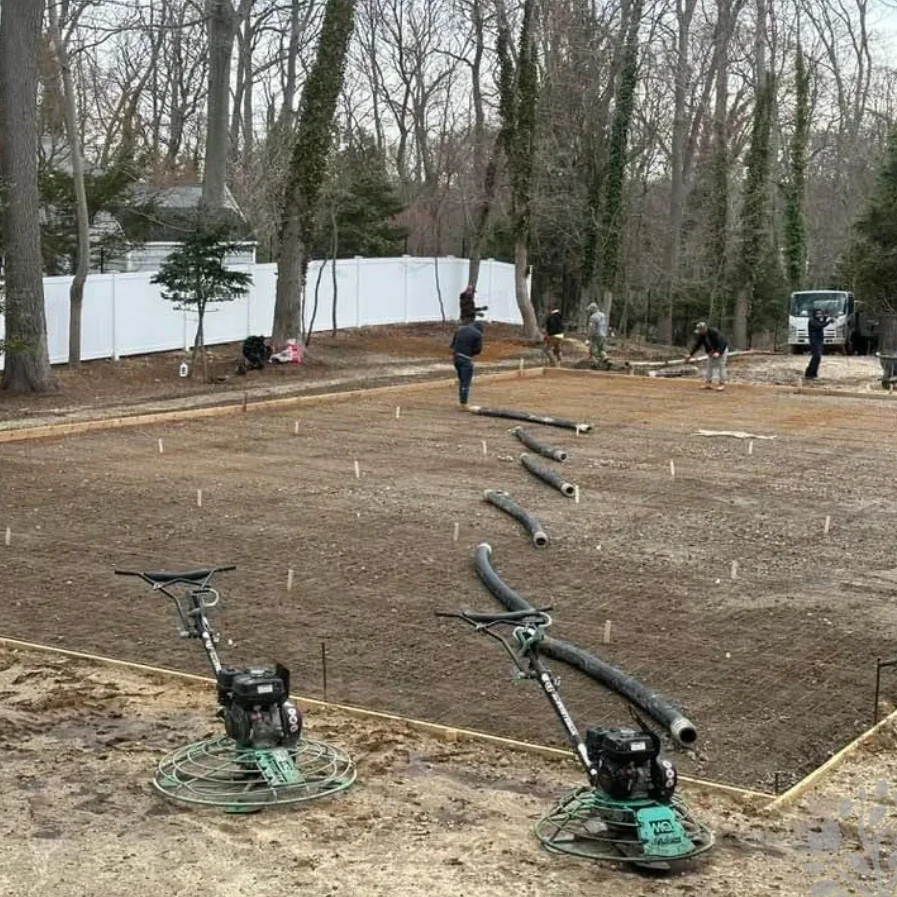
We walk the driveway from the street apron to the garage, identify settled or damaged sections, review drainage, and coordinate new paving with steps, lawn, gates and nearby trees. The written estimate identifies removal, cart-away, base work, paving and edge restoration.
Bring a sketch of the parking layout, photos of puddling after rain and any property survey. Show us the garage threshold, street apron, irrigation lines, trees and gate swing. If the curb cut or public apron changes, check the road owner’s approval requirements.
Sometimes. We inspect the base, edge restraint and route of runoff. Sound pavers can often be lifted and reset. Widespread settlement, broken material or an unstable base can call for a larger replacement.
Yes. We mark the footprint, discuss protection for trees, adjacent paving and grass, then list excavation, hauling and restoration in the estimate.
We identify the apron and any proposed curb-cut change, confirm which agency controls the road and check that office’s requirements before scheduling work in the right-of-way.
Yes. We measure the clear opening and review vehicle turning space, post locations and finished pavement height so the gate has room to operate.
Bring your measurements, material choices and access notes to the estimate.